
How Logistics for Medical Devices Enhances Patient Care
Introduction to Medical Device Logistics
The logistics involved in the distribution and management of medical devices play a pivotal role in enhancing patient care. As healthcare systems become increasingly complex, efficient logistics ensure that medical devices reach their destination on time and in optimal condition, ultimately improving patient outcomes.
Managing the supply chain for medical devices involves careful planning, execution, and monitoring. This process not only ensures timely delivery but also maintains the integrity and functionality of the devices.
Ensuring Timely Delivery
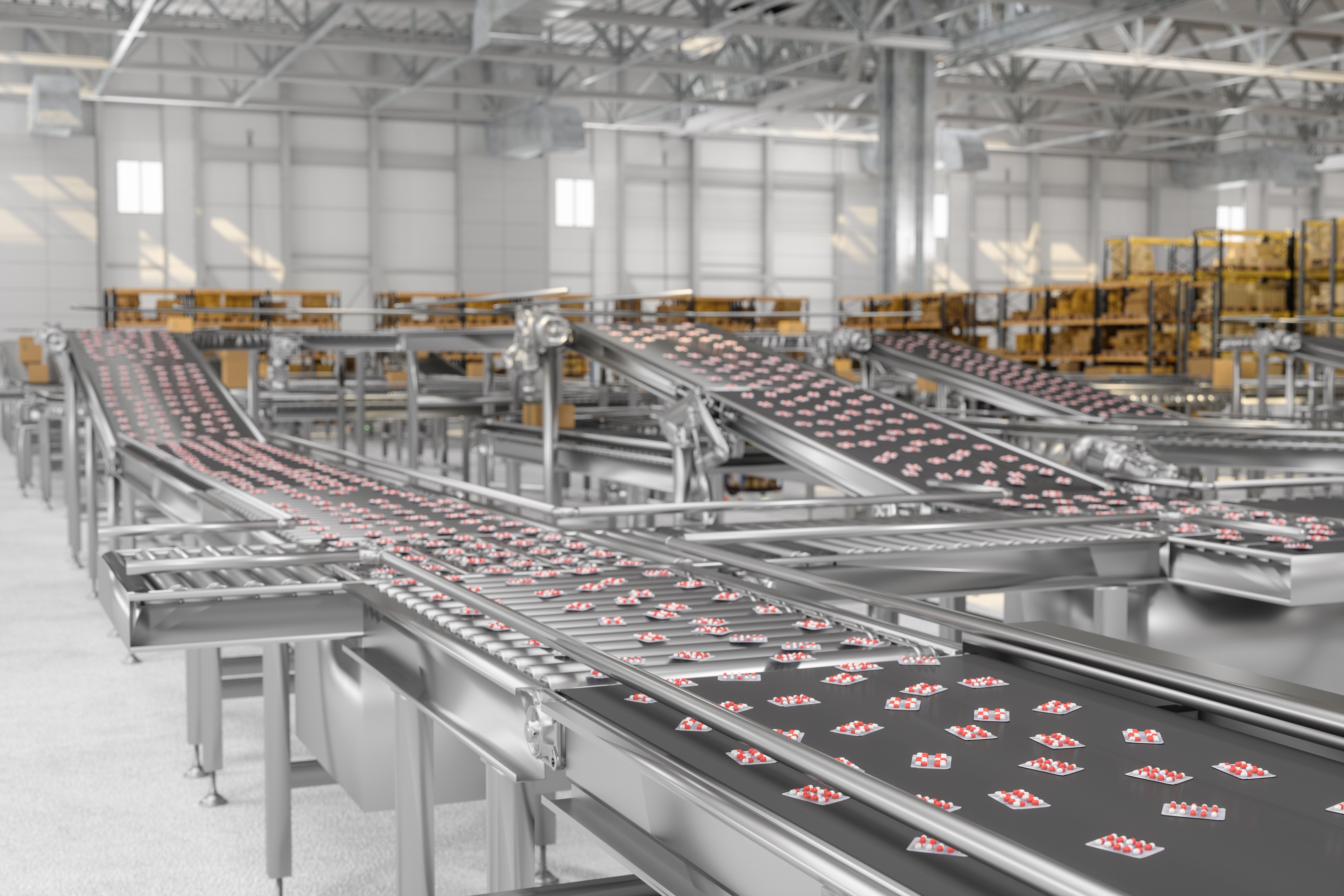
One of the most critical aspects of logistics for medical devices is ensuring timely delivery. Delays in the supply chain can lead to postponed surgeries or treatments, negatively impacting patient health. By optimizing transportation routes and utilizing advanced tracking technologies, logistics providers can minimize delays and ensure that devices are available when needed.
Additionally, strategic warehousing solutions can further enhance delivery efficiency. By strategically locating warehouses near key healthcare facilities, logistics providers reduce transportation time, ensuring quicker access to necessary devices.
Maintaining Device Integrity
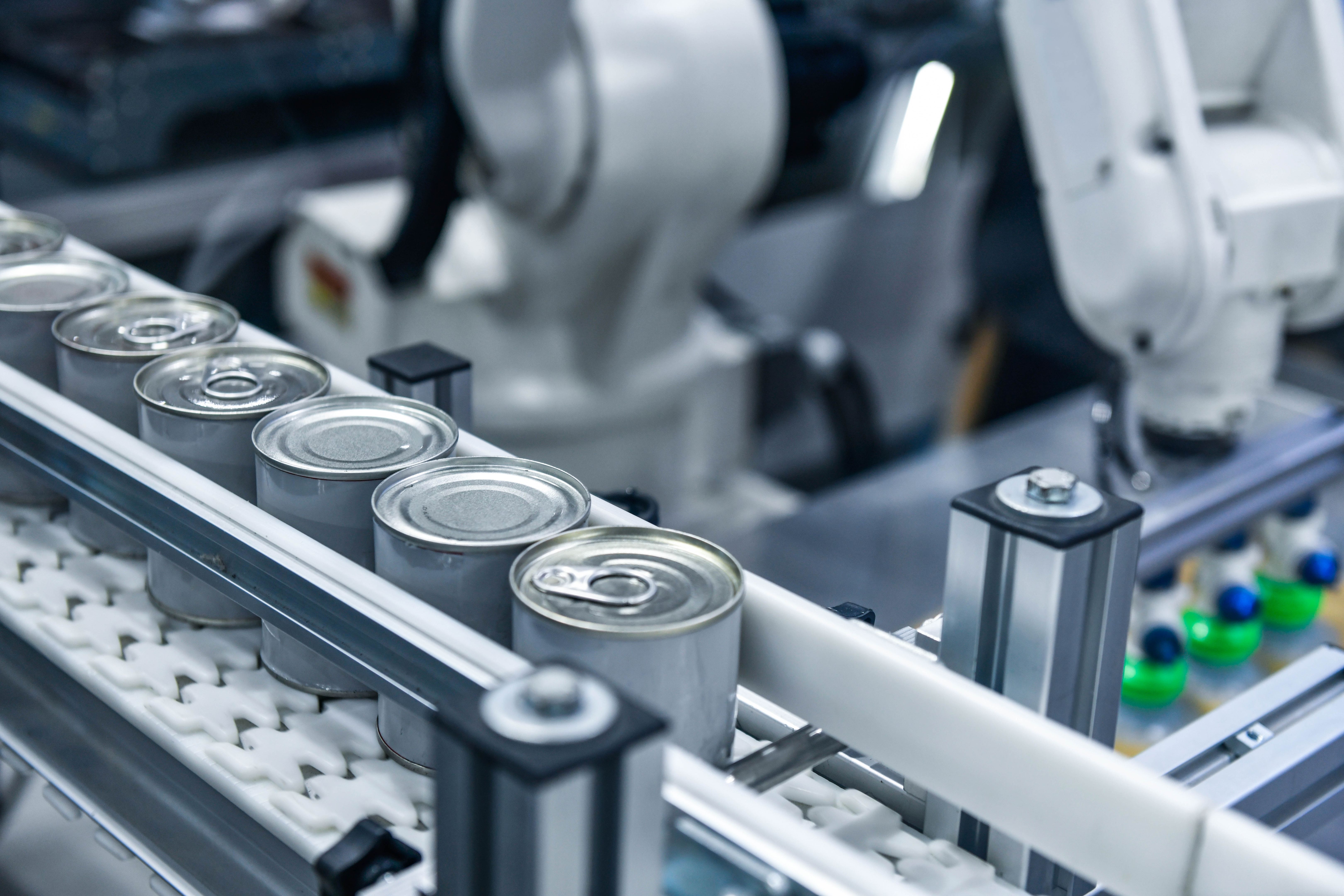
Maintaining the integrity of medical devices during transportation is essential. Many devices are sensitive to environmental conditions such as temperature and humidity. Advanced logistics solutions include climate-controlled transportation options and robust packaging to protect these sensitive items.
Furthermore, continuous monitoring systems can alert logistics teams to any potential issues during transit, allowing for immediate corrective actions. This level of oversight ensures that devices arrive in perfect working condition.
Compliance with Regulations
Logistics for medical devices must adhere to strict regulatory standards. Compliance with regional and international regulations ensures that devices are safe for use and meet quality standards. This involves meticulous documentation and auditing processes.
Logistics providers must stay updated on changes in regulations and implement necessary adjustments swiftly. This proactive approach not only ensures compliance but also builds trust with healthcare providers and patients.
Enhancing Patient Outcomes
Ultimately, the goal of efficient logistics in medical device management is to enhance patient outcomes. By ensuring that healthcare providers have timely access to the right devices, patient care is optimized. This leads to faster recovery times and improved overall health.
Effective logistics solutions also contribute to reducing healthcare costs by minimizing waste and improving resource allocation. This cost efficiency can be passed on to patients, making healthcare more accessible.

Conclusion
In conclusion, logistics for medical devices is a critical component of modern healthcare systems. Through timely delivery, maintaining device integrity, and ensuring compliance with regulations, logistics providers play an essential role in enhancing patient care. As technology and healthcare needs evolve, the logistics industry must continue to innovate and adapt to meet these challenges effectively.
By prioritizing logistics, healthcare providers can ensure that patients receive the highest quality of care, leading to better health outcomes and improved quality of life.