
Debunking Myths About Healthcare Equipment Logistics
Understanding the Complex World of Healthcare Equipment Logistics
Healthcare equipment logistics is a crucial yet often misunderstood aspect of the healthcare industry. Ensuring that medical facilities have the right equipment at the right time is essential for patient care, but several misconceptions can cloud the understanding of how these logistics work. In this post, we'll debunk some of the most common myths surrounding this critical field.

Myth 1: It's Just About Delivery
One prevalent myth is that healthcare equipment logistics is merely about getting devices from point A to point B. In reality, it involves a complex network of supply chain management, inventory control, and compliance with stringent regulatory standards. Logistics professionals must ensure that equipment is not only delivered on time but also stored and maintained properly to meet healthcare standards.
Myth 2: All Equipment is Treated the Same
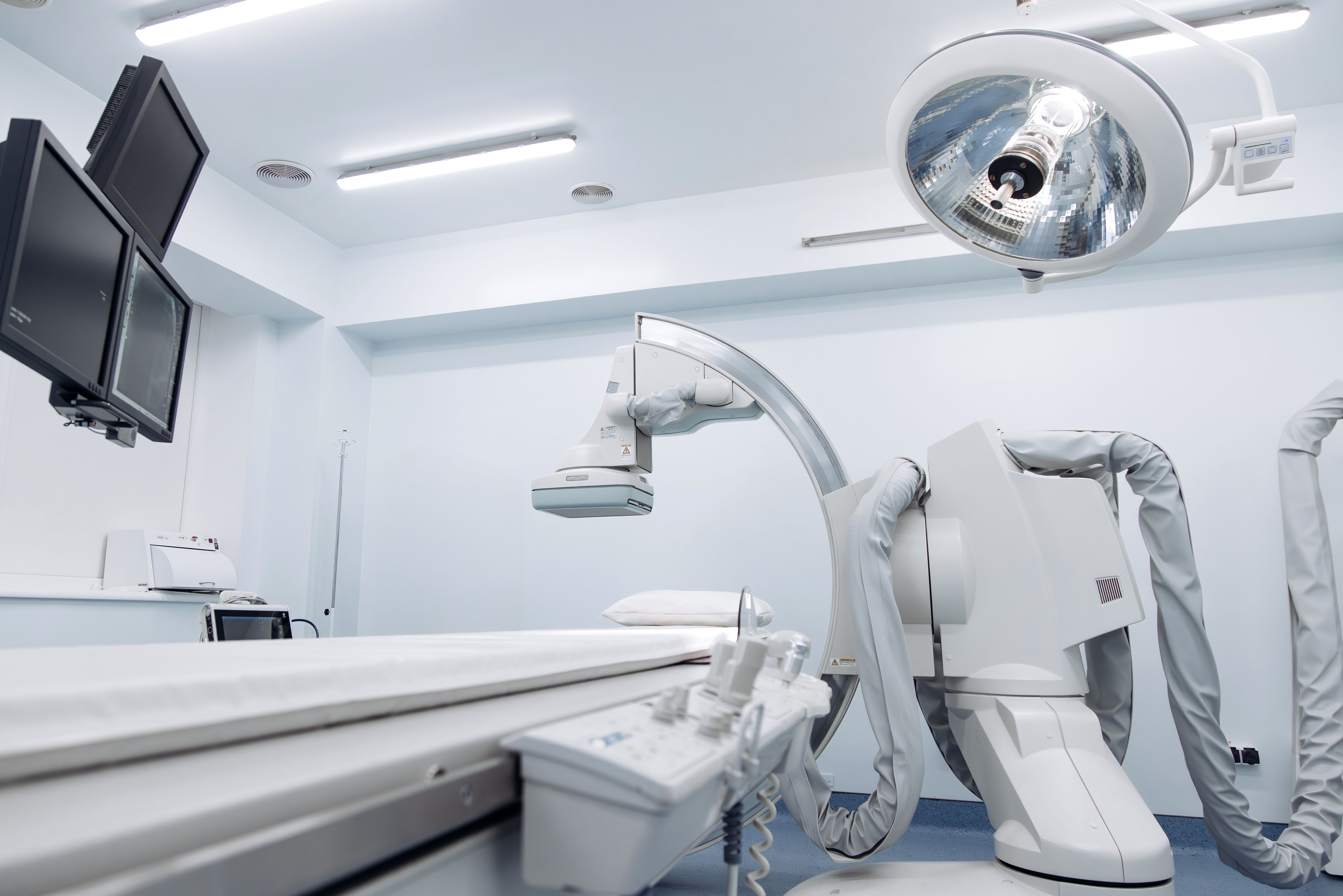
Another misconception is that all healthcare equipment is handled uniformly. This couldn't be further from the truth. Each type of equipment, from MRI machines to surgical tools, requires specific handling procedures. Factors like temperature control, sensitivity to movement, and storage conditions must be tailored to each piece of equipment.
Myth 3: It's a One-Time Process
Some believe that once equipment is delivered, the job is done. However, logistics is an ongoing process that includes regular maintenance, timely upgrades, and eventual disposal or recycling. Ensuring the equipment remains operational and safe for use is a continuous responsibility.
The Importance of Advanced Technology
Modern logistics companies use advanced technology to enhance the efficiency of their operations. From GPS tracking to artificial intelligence, these technologies help ensure timely deliveries and optimize routes, reducing costs and improving service quality. This tech-driven approach dispels the myth that logistics is an outdated or rudimentary process.

Myth 4: Cost is the Only Concern
While cost is undoubtedly an important factor, it's not the sole concern in healthcare equipment logistics. Quality, reliability, and compliance with healthcare standards are equally critical. Investing in proper logistics can actually save money in the long run by preventing equipment malfunctions and ensuring better patient outcomes.
Myth 5: Logistics Have No Impact on Patient Care
One of the most damaging myths is the belief that logistics have little to no impact on patient care. In fact, efficient logistics ensure that healthcare providers have access to the equipment they need, precisely when they need it, which directly affects the quality of patient care. Delays or errors in logistics can lead to significant consequences for both patients and healthcare facilities.
By debunking these myths, we can better appreciate the complexities and importance of healthcare equipment logistics. Understanding these nuances helps ensure that medical facilities operate smoothly, ultimately leading to improved patient care and satisfaction.